AI Brand Positioning Audit
We start by documenting how major LLMs currently describe your brand — what they get right, what they get wrong, and what's missing entirely. This is the baseline everything else is built from.
The strategic foundation that controls how ChatGPT, Perplexity, and Gemini position you — built before someone else defines it for you.




Every brand has a Google strategy. Almost none have an AI strategy.
When someone asks an LLM to recommend a brand in your space, the model doesn't check your website or read your positioning document. It assembles an answer from whatever signals exist across the web — third-party mentions, entity data, forum discussions, publication coverage. If you haven't deliberately shaped those signals, the AI's version of your brand is basically an average of whatever it found.
LLM Brand Strategy is the work of changing that. We define how your brand should be understood, described, and recommended by AI models — then build the strategic framework that every other signal-building activity plugs into. Reputation management, content, citations, knowledge graph — none of it works as well without a clear strategy behind it.
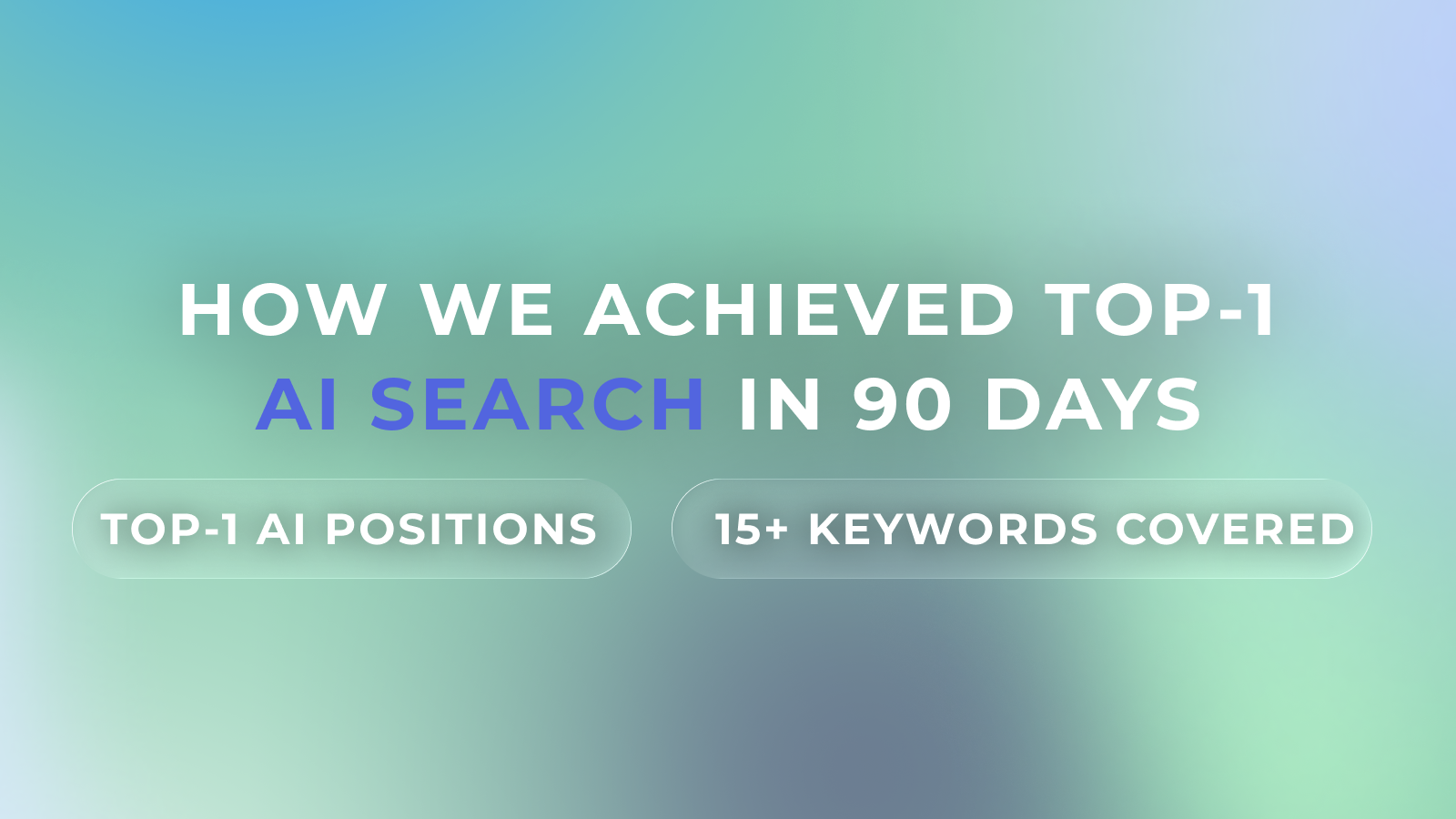
СhatGPT didn't know this crypto prop firm existed. 90 days and a full GEO strategy later, it recommends them first.
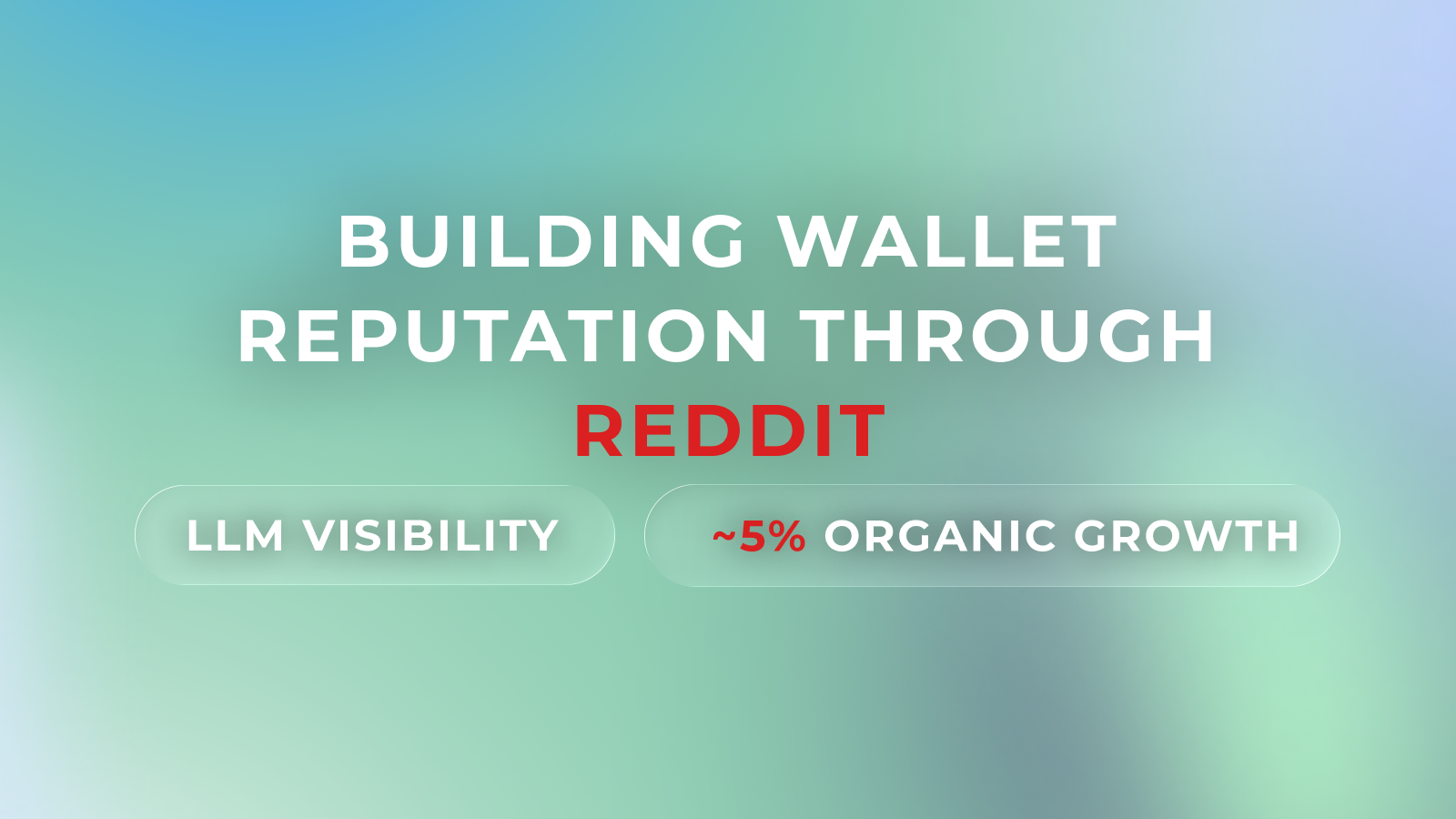
Google TOP + growing LLM presence. The client needed authentic peer-driven visibility in Reddit threads and comparison posts where crypto wallet decisions are made.
How GEO delivered 780+ LLM citations and 688% ChatGPT growth for a crypto exchange — in a niche where paid ads are banned.
We start by documenting how major LLMs currently describe your brand — what they get right, what they get wrong, and what's missing entirely. This is the baseline everything else is built from.
We define the specific language, claims, and positioning statements that should appear consistently across AI responses. Not marketing copy — structured, factual, citation-ready language that AI models can extract and repeat.
We map every category, use case, and query cluster your brand should be associated with inside AI knowledge graphs. Missing associations mean missed recommendations — we close those gaps.
We analyze how AI models currently position your competitors and identify where the gaps and opportunities are. Where are they weak? Where are you stronger but not getting credit for it?
We design the full map of signals your brand needs — which sources, which platforms, which content types — and prioritize them by impact. Every downstream activity gets a clear strategic rationale.
We align your LLM brand strategy with your existing SEO, PR, and content efforts — so everything points in the same direction and compounds instead of working against itself.
LLMs pieced together a description of your brand from whatever they found. It might be outdated, incomplete, or just slightly off in ways that cost you recommendations and trust.
You know your brand needs more AI visibility — but visibility toward what? Without a clear strategy, signal-building efforts scatter and don't compound into a coherent brand presence.
One old article, a thin Wikipedia entry, a handful of forum mentions. That's what some LLMs are working from. The strategy work is about replacing weak signals with authoritative ones — systematically.
AI might associate your brand with a broader or narrower category than where you actually compete. That means you're missing recommendations in the queries that matter most to your business.
They show up more consistently, get described more accurately, and get recommended more often. The gap isn't always product quality — it's the deliberate work they've done to shape their AI presence.
Content, PR, and SEO are all running separately. Without a shared LLM strategy connecting them, you're building signals that point in different directions and cancel each other out.